

In order to use this feature, you need register and become a member.
Already a member? Login Register hereReel to Reel Tape Recorders From Australia

1940 To 1965
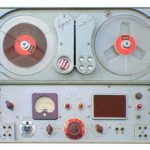
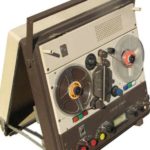
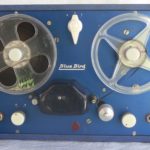
1940– Max Byer started Broadcast Recording Supplies (BRS) in Malvern, Australia. His experience as a projectionist and in converting silent and sound-on-disk projectors to optical sound made him see a need for locally produced blank acetate recording discs. 1946– BRS was a major supplier of acetate discs in Australia manufactured for the broadcast industry. The company name was changed Byer Industries Pty. Ltd. The product range expanded to include turntables, disc cutters, tape add-on units for turntables, pick-ups, microphones, amplifiers, and tape recorders. 1956– Byer introduced the “66” Mk II reel to reel recorder and continued production until the mid Read More

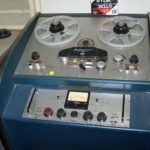
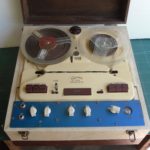
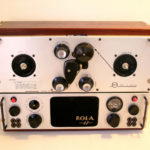
Consolidated Electronic Industries (CEI) of Melbourne Australia, purchased the rights to manufacture the 77 Cuemaster from Rola, another Australian tape recorder company.

1950 To 1966
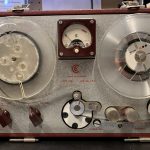
Commonwealth Electronics Pty. Ltd of Hobart, Tasmania was in operation from 1950 to 1966, primarily manufacturing turntables, but they made one tape recorder, the C.E.B. The company was bought by Phillips in 1966.

1947 To 1961
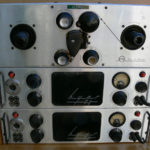
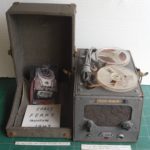
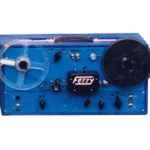
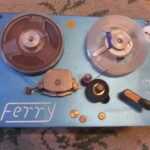
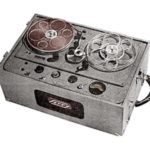
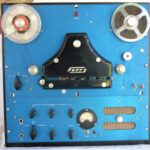
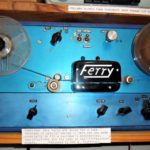
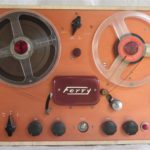
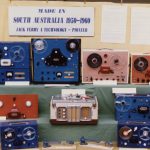
1947– Jack Ferry begins by building 5 Tube Table radios in a small factory in Lower Mitcham Adelaide, working for Peerless Radio prior to starting his own factory at Clapham, Adelaide, where he manufactured turntables, pickups, amplifiers and disc recording equipment 1948 – Jack Ferry built a number of prototype wire recorders 1949 – Moves over to the new tape technology 1950 – First production model, a single speed full track one motor and no fast-forward. Ferry starts making reels out of Bakelite 1951-1953 – Second production R-R Tape recorders made of cast aluminum now offering half track variable speed, Read More
Plessey
1966 To 1980
1946 To 1959
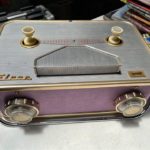
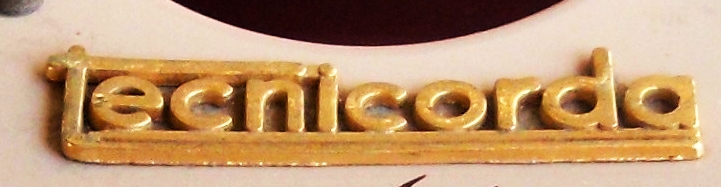
Tecnico Electronics Pty Ltd located at 13-19 Glebe Street, Sydney, N.S.W. began producing radios just after World War II which were branded Tecnico-Aristocrat, Tecnico, Tecnicorda and Pye-Tecnico. The only tape recorders we have found were Tecnicorda branded. In the mid-1950s English tape recorder manufacturer Pye became a 50% partner in the company.